

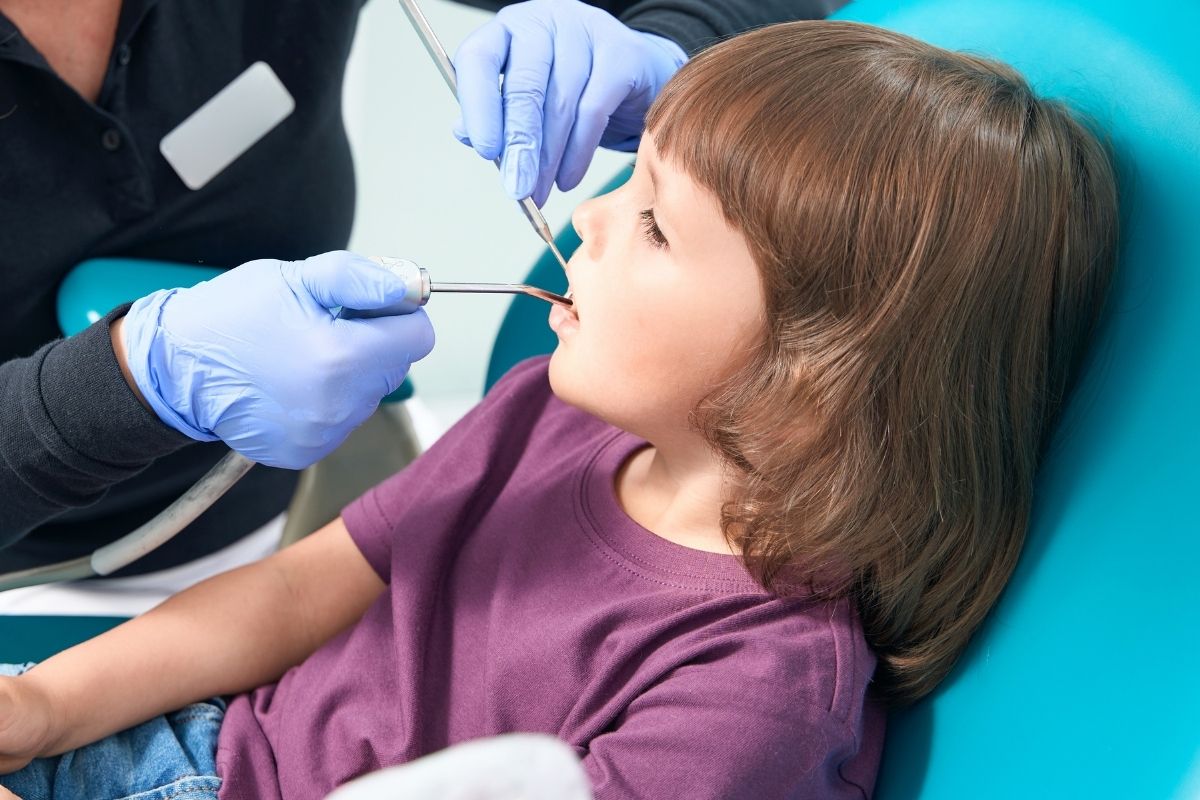
Many parents notice strange sleep habits long before they hear the words sleep apnea. Some kids snore loudly. Others wake up tired, toss around at night, or grind their teeth while sleeping. Teeth grinding, also called bruxism, often seems harmless at first. Yet in some cases, it points to a deeper sleep-related issue that deserves attention. Children in Indianapolis need healthy sleep for growth, learning, mood, and focus. When breathing interruptions disturb sleep, the body struggles to recharge properly. That can affect school performance, emotional balance, and oral health over time. According to the American Academy of Pediatrics, kids who snore regularly should receive evaluation for sleep-disordered breathing.
During chilly winter mornings, many families notice their children wake up tired even after a full night in bed. Sleep quality often matters more than sleep quantity. The Center for Pediatric Sleep Apnea Orthodontics focuses on airway-centered orthodontic care for children with sleep-related breathing concerns. Our team works closely with families to identify patterns that may connect nighttime grinding with airway issues and disrupted rest.
Why Do Kids Grind Their Teeth While Sleeping?
Kids grind their teeth for different reasons. Understanding the cause helps parents recognize when the habit may be connected to breathing or sleep problems.
Stress and Emotional Changes
Children process stress differently from adults. School pressure, schedule changes, or emotional tension can trigger nighttime grinding. Some kids tighten their jaw muscles during sleep without realizing it. Grinding may become more common during busy school seasons or major life transitions.
Developing Teeth and Bite Changes
As teeth grow and jaws develop, some children naturally grind for short periods. This often happens during early childhood and may fade with age. Still, grinding that continues regularly deserves closer attention.
Interrupted Breathing During Sleep
Sleep apnea can force the body into repeated nighttime arousal. When airflow becomes restricted, the jaw and facial muscles may react unconsciously. Some researchers believe grinding may happen as the body attempts to reopen the airway during sleep.
Poor Sleep Quality
Children who sleep lightly often move more during the night. Grinding, tossing, mouth breathing, and restless sleep commonly appear together. Parents should pay attention when several symptoms happen at the same time.
Could Teeth Grinding Be Connected to Sleep Apnea?
Many families never connect grinding with breathing issues. However, several warning signs may point toward an airway-related concern.
Loud Snoring and Noisy Breathing
Snoring in kids should never feel normal. Loud breathing sounds may suggest airflow restriction during sleep. Some kids also gasp, pause breathing, or wake suddenly throughout the night.
Mouth Breathing During Sleep
Children who breathe through their mouths often struggle to maintain healthy airflow through the nose. Mouth breathing may dry oral tissues and increase nighttime grinding. It can also affect jaw growth over time.
Daytime Fatigue and Irritability
Poor sleep affects mood and focus quickly. Some kids appear hyperactive rather than sleepy. Teachers may notice concentration problems, while parents see emotional outbursts or low energy after school.
Morning Jaw Pain or Headaches
Grinding places heavy pressure on facial muscles and jaw joints. Kids may wake with soreness, headaches, or tooth sensitivity. These symptoms deserve evaluation when they happen often.
Signs Parents Should Never Ignore
Certain patterns deserve closer attention; identifying them early may help protect both sleep quality and oral development.
Frequent Nighttime Movement
Children with airway concerns often struggle to stay deeply asleep. They may kick blankets away, change positions constantly, or wake repeatedly. Restless sleep usually signals that the body works harder than normal overnight.
Bedwetting Beyond Early Childhood
Sleep disruption sometimes interferes with hormone regulation and nighttime bladder control. While bedwetting has many causes, persistent episodes alongside snoring or grinding deserve discussion with a healthcare provider.
Changes in Facial Development
Some children with chronic mouth breathing develop narrow arches or altered jaw growth patterns. Orthodontic evaluation may help identify structural concerns linked to breathing patterns.
Difficulty Waking Up in the Morning
Kids who sleep poorly often struggle to feel refreshed. Even long sleep hours may not restore energy properly. Parents frequently notice sluggish mornings and dependence on naps after school.
Dark Circles Under the Eyes
Interrupted sleep can affect circulation and recovery overnight. Persistent dark circles sometimes appear alongside fatigue and mouth breathing. These signs alone do not confirm sleep apnea, but patterns matter.
What Happens During Pediatric Sleep Apnea Evaluation?
Parents often feel overwhelmed by sleep concerns; understanding the process can make the next steps feel less stressful.
Reviewing Sleep Habits and Symptoms
The process often begins with questions about snoring, grinding, sleep position, mouth breathing, and daytime behavior. Families may also discuss school performance and emotional changes.
Examining Jaw and Airway Development
An orthodontic evaluation can reveal signs connected to restricted airflow or jaw growth patterns. The team may examine palate width, bite alignment, tongue posture, and facial structure.
Looking at Sleep Related Patterns
Providers focus on patterns rather than isolated symptoms. Grinding alone may not indicate apnea, but combined symptoms often create a clearer picture. That helps families understand possible causes behind poor sleep.
Personalized Orthodontic Approaches
Professional dental practices focus on orthodontic approaches related to airway development in kids. Care recommendations depend on each child’s needs and growth stage. Parents visiting family attractions often notice how active kids feel after a healthy sleep. Constant fatigue should not become part of childhood.
Help Your Children Sleep Better With Us
Teeth grinding may seem minor at first; however, persistent grinding can reveal important clues about a child’s breathing and sleep quality. Ignoring those patterns may allow fatigue, mood changes, and oral concerns to continue growing over time. Healthy sleep supports learning, emotional balance, physical growth, and daily energy. Parents who notice snoring, grinding, restless sleep, or mouth breathing should pay attention to the full picture rather than one symptom alone.
At The Center for Pediatric Sleep Apnea Orthodontics, we help families understand how airway development and orthodontic care connect to nighttime breathing concerns. Our pediatric dentist can help identify signs that deserve further evaluation and guide families toward healthier sleep patterns for their children. So do not wait any longer and visit our dental office in Indianapolis for your kid’s appointment.
FAQs
Can nighttime grinding damage baby teeth?
Yes. Continuous grinding can wear enamel and create tooth sensitivity over time. Some children also develop jaw soreness or headaches when grinding becomes frequent and forceful during sleep.
Does poor sleep affect school performance in children?
Interrupted sleep may reduce focus, memory, and emotional regulation. Kids often struggle with concentration and classroom behavior when the brain does not receive consistent restorative sleep each night.
Are kids with allergies more likely to breathe through their mouths?
Nasal congestion from allergies may encourage mouth breathing during sleep. Long-term mouth breathing can affect sleep quality and place additional strain on jaw muscles overnight.
Why do some children wake up tired after sleeping all night?
Sleep quantity does not always equal quality. Repeated breathing interruptions or restless sleep may prevent the body from reaching the deeper restorative sleep stages needed for recovery.
Can jaw growth affect nighttime breathing?
Yes. Narrow arches or certain jaw development patterns may reduce airway space. That can make breathing more difficult during sleep and contribute to disrupted nighttime rest.
Should occasional snoring in kids cause concern?
Occasional mild snoring may happen during illness or congestion. Frequent snoring that continues for weeks deserves professional attention, especially when combined with grinding, fatigue, or restless sleep.