

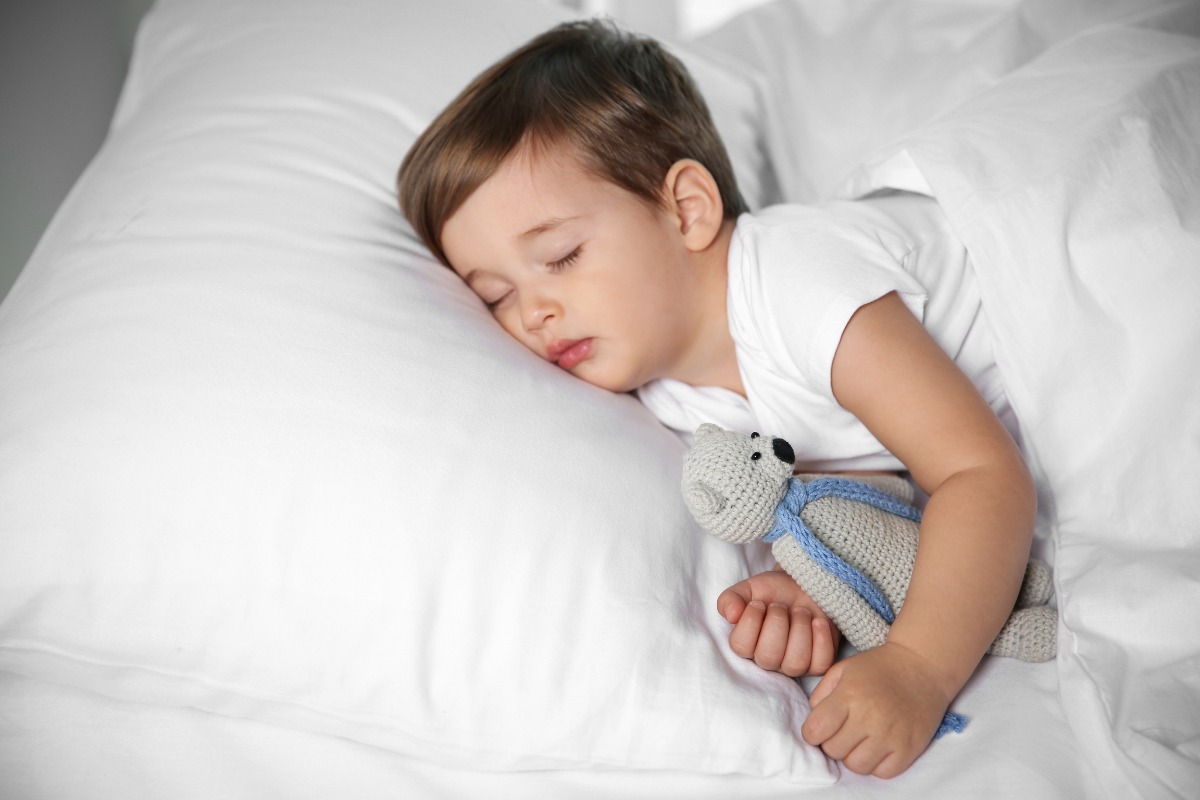
A good night’s sleep is essential to every child’s health, growth, and well-being. When sleep is repeatedly interrupted by breathing difficulties, however, the effects can extend far beyond bedtime. Pediatric Obstructive Sleep Apnea (OSA) is a serious medical condition that can significantly impact a child’s everyday life, influencing everything from their behavior and learning to their overall development.
Because the symptoms of pediatric sleep apnea aren’t always obvious, many children go undiagnosed. Understanding how untreated Pediatric OSA affects daily life can help parents recognize when it’s time to seek an evaluation.
What Is Pediatric Obstructive Sleep Apnea?
Pediatric Obstructive Sleep Apnea occurs when a child’s breathing is repeatedly disrupted during sleep because of airway obstruction. These pauses in breathing can lead to fragmented, poor-quality sleep and reduced oxygen levels throughout the night.
Although loud snoring is one of the more recognizable symptoms, Pediatric OSA involves much more than noisy sleep. Without proper diagnosis and care, it can have lasting effects on a child’s physical, emotional, and cognitive well-being.
How Pediatric Sleep Apnea Affects Daily Life
Difficulty Paying Attention and Learning
Children need restorative sleep to learn, focus, and perform well at school. When sleep is repeatedly interrupted, it can become more difficult for them to pay attention during classroom activities and retain information.
Untreated Pediatric OSA may contribute to:
- Difficulty concentrating
- Problems paying attention
- Learning challenges
- Reduced academic performance
Because these symptoms often develop gradually, they can sometimes be mistaken for other childhood concerns rather than being connected to poor-quality sleep.
Behavioral Changes Throughout the Day
Sleep deprivation doesn’t always cause children to appear tired. Instead, many children with Pediatric OSA experience daytime behavioral changes that can affect interactions at home, school, and during extracurricular activities.
Some children may experience:
- Irritability
- Hyperactivity
- Difficulty regulating emotions
- Increased behavioral challenges
In certain cases, symptoms associated with Pediatric OSA may resemble those commonly associated with ADHD, making a comprehensive evaluation especially important.
Disrupted Sleep for the Entire Family
Pediatric sleep apnea doesn’t only affect the child—it often impacts the entire household. Parents may notice loud snoring, gasping sounds, pauses in breathing, or restless sleep patterns that can become a source of concern.
Additional nighttime symptoms may include:
- Frequent bedwetting despite being toilet-trained
- Nightmares
- Excessive sweating during sleep
- Restless or disrupted sleep patterns
When children aren’t getting quality sleep, families frequently experience disrupted routines and increased stress as well.
Effects on Growth and Development
Sleep plays an essential role in healthy childhood development. When breathing disruptions occur night after night, a child’s overall wellness may be affected.
Untreated Pediatric OSA has been associated with:
- Impaired growth and development
- Long-term health complications
- Increased risk for additional health concerns, including high blood pressure and heart problems
Early recognition and intervention are important because addressing Pediatric OSA may help support healthier growth and development throughout childhood.
Recognizing the Signs of Pediatric OSA
Parents are often the first to notice changes in their child’s sleep habits or daytime behavior. Symptoms that may warrant further evaluation include:
- Loud snoring
- Pauses in breathing during sleep
- Mouth breathing
- Daytime sleepiness
- Difficulty concentrating
- Hyperactivity or ADHD-like behaviors
- Irritability
- Bedwetting
- Nightmares
- Excessive sweating at night
Because Pediatric OSA can affect multiple aspects of a child’s life, identifying these symptoms early may make a meaningful difference in their overall well-being.
The Importance of Early Evaluation
Pediatric Obstructive Sleep Apnea is more than a sleep disorder—it’s a condition that can influence how children learn, behave, grow, and feel each day. What may initially appear to be simple snoring or difficulty focusing could actually be a sign of disrupted breathing during sleep.
At The Center for Pediatric Sleep Apnea Orthodontics, our doctors understand the relationship between facial growth, airway function, and Pediatric OSA. Working closely with Pediatric Sleep Medicine specialists, ENT physicians, and Primary Care Physicians, we help provide coordinated care focused on improving both nighttime breathing and daytime functioning.
Helping Children Thrive Every Day
Untreated Pediatric Obstructive Sleep Apnea can affect much more than sleep. From academic performance and behavior to growth, development, and overall quality of life, its effects may be felt throughout a child’s daily routine.
Recognizing the signs of Pediatric OSA and seeking timely evaluation can help support healthier sleep, improved daytime functioning, and better overall wellness—allowing children to thrive both at home and beyond.