

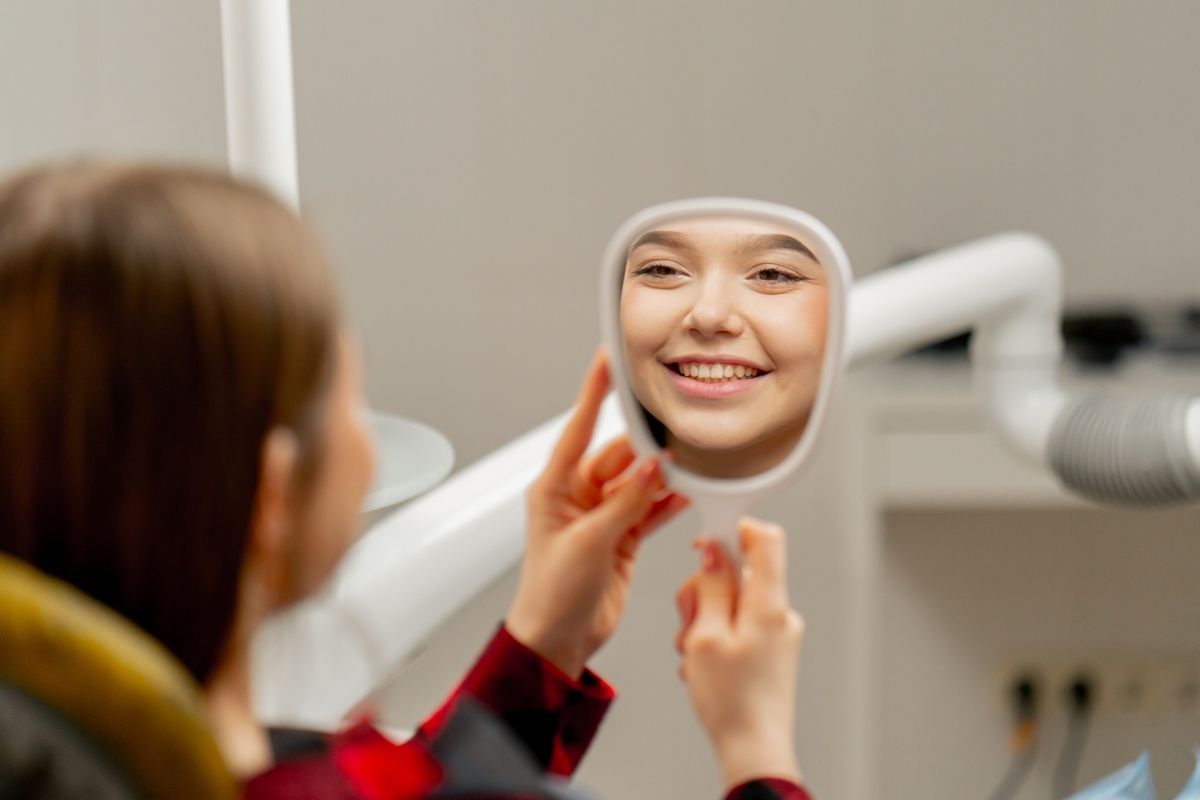
Crooked teeth may seem like a cosmetic issue at first, but they often affect far more than appearance. Misalignment can influence confidence, speech, and even long-term oral health. Many assume it’s something they can deal with later, but waiting often makes correction more complex. The truth is, the teenage years are the best time to address alignment issues. Growth is still happening, making it easier to guide teeth into the right position. For teens in Indianapolis, where school, sports, and social life stay busy year-round, starting early can make a noticeable difference, not just in smiles but in confidence.
Why Do Teens Deal With Crooked Teeth In The First Place?
Crowded teeth don’t happen overnight. They often develop due to a combination of factors such as genetics, early loss of baby teeth, prolonged thumb-sucking, or airway-related issues.
One often overlooked cause is chronic mouth breathing, which can influence how the jaw develops over time. For many, chronic nasal congestion can lead to mouth breathing, which can gradually affect facial growth and alignment.
The American Association of Orthodontists recommends an initial orthodontic evaluation by age 7. However, many families wait until the teen years, when alignment issues are more noticeable and established. The positive aspect is that adolescence remains an ideal stage for effective correction, enabling improvements in both function and appearance.
Why Is The Teenage Phase Ideal For Orthodontic Treatment?
Because bones are still growing, teeth alignment procedures can guide teeth more efficiently. This is why teen orthodontics focuses not only on straightening teeth but also on shaping how the bite develops. Addressing issues now often reduces the need for more complex procedures later in life.
What Do Orthodontists Recommend For Teen Teeth Correction?
Misaligned teeth can be corrected using various teeth straightening approaches, each created to address specific alignment and bite concerns. Understanding these options helps recognize what may be involved in the process.
1. Traditional Metal Braces
Metal braces for teenagers remain one of the most effective and predictable options, especially for complex alignment or bite problems. They apply continuous pressure to guide teeth into place with precision and are ideal for cases that require significant correction.
2. Ceramic Or Clear Braces
Ceramic braces work the same way as metal braces but use tooth-colored brackets that blend more naturally. They are an excellent option for youngsters who want effective results with a less noticeable appearance.
3. Invisalign
Invisalign is a removable tray made for mild to moderate alignment issues. They offer flexibility for eating and cleaning, but require discipline. Wearing them consistently is key to achieving the desired results.
Which Solution Is Best For Youngsters To Correct Malocclusion?
The right solution depends on the specific needs, not just how their teeth look, but also how their bite and jaw are developing. What works for one may not be the right fit for another, especially when growth patterns and alignment concerns vary.
During a dental assesment, a professional will evaluate X-rays, bite alignment, jaw growth, and daily habits before recommending a plan. They plan the treatment to meet both clinical needs and your teenager’s daily lifestyle.
Treatment options may include traditional braces for precise control or clear aligners for youngsters who need flexibility. The decision is based on factors such as the severity of misalignment, compliance, and overall oral health.
Thus, the first step is a consultation. Many dental offices offer this as a simple way to understand options and create a plan that supports both function and long-term stability.
What Happens When You Wait To Fix Crooked Tooth?
This is when untreated alignment issues begin to create noticeable complications. The teenage years are often considered the ideal time for correction because the jaw is still developing. This allows teeth to move more efficiently, shortens treatment time, and supports stable long-term results.
As a result, the impact of late orthodontic treatment becomes more noticeable and can lead to:
- Longer treatment time in adulthood.
- More complex and intensive procedures.
- Higher risk of gum disease and tooth decay due to crowded, hard-to-clean areas.
- Increased likelihood of needing jaw surgery in severe cases.
- Ongoing headaches or TMJ discomfort caused by an uneven bite.
Malocclusion can also trap food and plaque in areas that are difficult to clean, even with consistent brushing. This significantly increases the risk of cavities, especially when oral hygiene habits are inconsistent.
What Should Teens Expect During Orthodontic Treatment?
Dental aligning care is a gradual process, and understanding what to expect can make the experience much smoother. While every case is different, most young patients adjust quickly within the first few weeks.
Here’s what the journey usually looks like:
- Initial adjustment period: Mild discomfort is common after braces are placed or adjusted, but it usually fades within a few days.
- Learning new oral hygiene habits: They will need to follow proper brushing and flossing techniques to keep their teeth and gums healthy throughout treatment.
- Regular follow-up visits: Routine checkups help ensure teeth are moving correctly and allow for necessary adjustments.
- Gradual, visible progress: Changes occur over time, and most young patients begin to notice improvements in alignment within the first few months.
With the right guidance and consistency, the process becomes part of a normal routine, and the results are well worth it.
How Do Teens Adjust To Braces Or Aligners?
Teen life in Indianapolis moves fast, with school, sports, and social events filling up the calendar. Thus, orthodontic care today is designed to fit into that rhythm, not disrupt it. Here’s what to realistically expect as they adjust to treatment:
- Getting started: The first one to two weeks may bring mild soreness, especially with braces. Many adjust quickly and soon stop noticing them in daily life.
- Food and daily habits: Braces require some awareness of certain foods, such as crunchy crusts or sticky snacks. Invisalign offers more flexibility since they can be removed during meals.
- Sports and activities: For contact sports, wearing a mouthguard is recommended with braces. Aligner users can simply remove their trays during activity and wear them again afterward.
- Social moments: Options like ceramic braces and clear aligners are best for those who want a subtle look during school photos, homecoming, or prom.
- Timing your start: Many families in Indianapolis choose to begin their teenagers’ dental aligning procedure during the summer months. This timing gives a few low-pressure weeks to adjust to the appliance before the school year begins.
Helping Young Smiles Fix Crooked Teeth With The Right Approach
As your child grows, alignment issues can begin to affect both how their smile functions and how they feel about it. Over time, crooked teeth or bite problems can impact confidence, daily comfort, and long term oral health. Addressing malocclusion early often makes treatment more predictable and can open the door to effective solutions that fit a teen’s lifestyle. At Biggs-Hansen Orthodontics, we take a personalized approach to helping young smiles find the right orthodontic treatment through a detailed evaluation and thoughtful planning.
Families looking for an Indianapolis orthodontist for teen braces can turn to our team for professional guidance on options that support both function and appearance, whether that involves traditional braces or clear aligners. Call us today at 317-316-0285 to schedule a consultation at our Indianapolis office. We proudly care for families from Downtown, Mile Square, Broad Ripple, and nearby communities, helping teens build healthy, confident, well aligned smiles.
Frequently Asked Questions (FAQs)
1. How do I know if my teen’s crooked teeth need treatment or will correct naturally?
Some minor alignment changes can improve as they grow, but most cases do not self-correct. Persistent crowding or spacing often requires professional evaluation to prevent long-term complications.
2. Can crowded teeth affect my teen’s speech or pronunciation?
Yes, misaligned teeth can interfere with tongue placement and airflow, affecting certain sounds. Over time, this may lead to noticeable speech patterns that benefit from orthodontic correction.
3. Can crooked teeth make it harder to keep their teeth clean?
Yes, crowded or overlapping teeth can create tight spaces where plaque and food collect more easily. This can raise the risk of cavities, gum inflammation, and long-term enamel damage.
4. How does jaw growth influence malocclusion during the teen years?
During the teen years, jaw growth can either create space or worsen crowding, depending on development patterns. Proper guidance during this stage helps direct teeth into better alignment.
5. Can crooked teeth lead to long-term jaw problems in adulthood?
Yes, untreated alignment issues can strain the jaw joints over time. This may contribute to discomfort, uneven wear, and functional challenges later in life.