

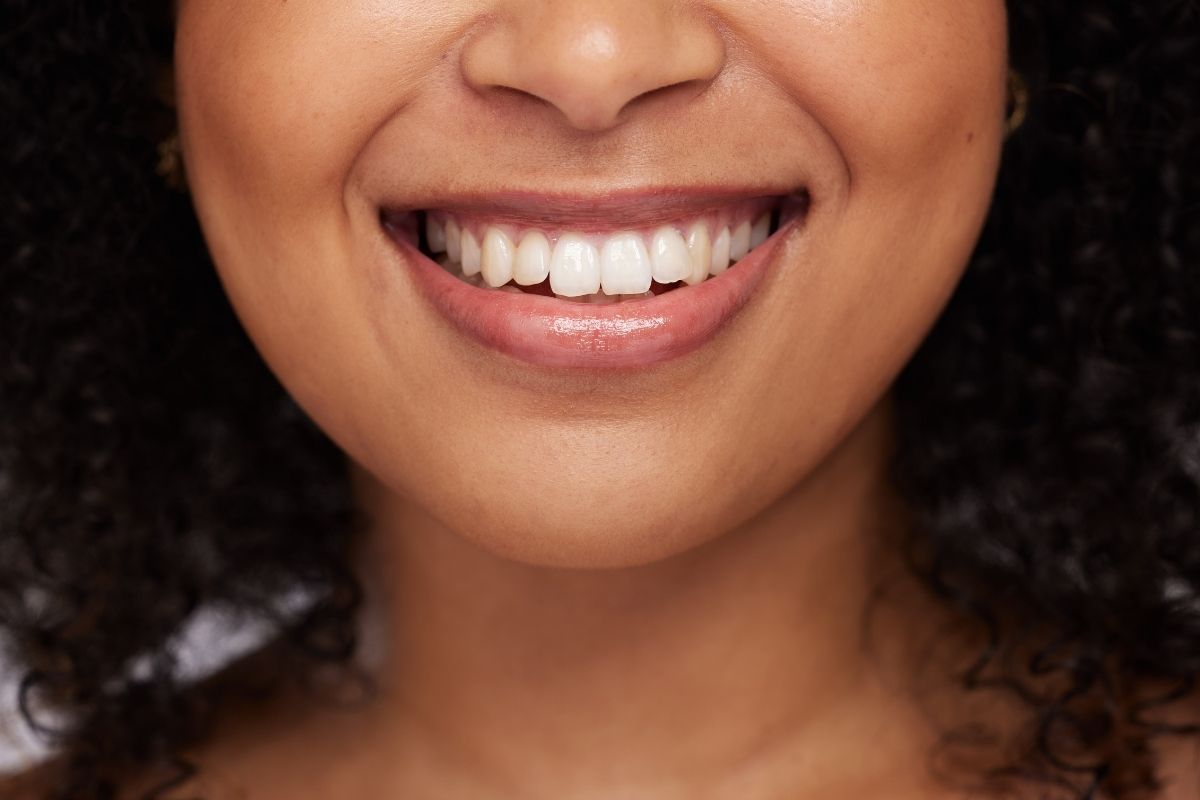
Whether you are grabbing a quick lunch at the historic City Market, taking a sunset stroll along the Canal Walk, or catching a game downtown, putting your best smile forward matters. But what if you only have a minor snag? Maybe it is just a single crowded tooth or a slight gap that catches your eye in the mirror. You might find yourself wondering if it is truly worth seeking out a specialist for something that seems so minor.
For many people, the idea of braces or aligners may seem unnecessary if their misalignment isn’t severe. However, the truth is that even mild misalignment can have significant effects on your dental health and confidence.
In this blog, we will dive into the details of mild teeth misalignment, discuss why treatment is essential, and explore whether an orthodontist is necessary for small teeth misalignment.
Understanding Mild Teeth Misalignment
Teeth misalignment doesn’t always mean you need a dramatic transformation with metal braces. Mild cases of crooked teeth or gaps, often referred to as “minor misalignment,” might seem cosmetic at first glance. However, even slight misalignments can lead to long-term dental issues. From difficulty cleaning certain areas of your teeth properly to increased risk of cavities and gum disease, mild misalignment can create oral health problems over time.
Furthermore, minor misalignment can sometimes cause undue stress on the jaw joints, resulting in discomfort or even headaches. So, while it might not seem like an immediate issue, a mild misalignment may lead to more significant issues if left untreated.
What Causes Mild Teeth Misalignment?
Mild teeth misalignment can occur due to several factors, some of which may have developed during childhood. The most common causes include:
Genetics
Your natural tooth size, jaw structure, and overall alignment are often inherited traits. If your parents had crooked teeth or bite issues, there’s a chance you may experience similar concerns. In some cases, a larger or smaller jaw can lead to crowded or spaced-out teeth. While you can’t change your genetics, the right orthodontic treatment can still help you achieve a straighter smile.
Thumb-Sucking in Childhood
Thumb-sucking is a common behavior in children, especially during infancy. However, if this habit continues past the age of 4 or 5, it can affect the alignment of teeth. Prolonged thumb-sucking can push the front teeth forward, causing them to become misaligned. It may also impact the way the upper and lower jaws come together, potentially leading to bite problems later in life.
Jaw Issues
Sometimes, the jawbone doesn’t develop properly, causing misalignment. If the upper or lower jaw grows too much or not enough, it can result in overbite, underbite, or crossbite, even if the teeth themselves are healthy. Jaw issues can also be caused by trauma, developmental problems, or inherited conditions. Early intervention with orthodontic care can help correct jaw issues and realign your teeth.
Early Loss of Baby Teeth
Losing baby teeth too early or too late can affect the alignment of adult teeth. If baby teeth fall out too soon, the permanent teeth may come in too early or shift into the wrong position. On the other hand, if baby teeth are retained for too long, they can block the space needed for adult teeth to emerge properly. This can lead to crooked or crowded teeth as your child’s permanent teeth push through the gums.
If you are dealing with any of these issues, scheduling an orthodontic consultation can help determine whether your bite, alignment, or jaw development may be contributing to long term dental concerns. At Biggs-Hansen Orthodontics, we welcome patients of all ages from across Indianapolis and the surrounding communities, providing personalized orthodontic care designed to support healthy, confident smiles at every stage of life. If you would like an evaluation, call us today at 317-316-0285.
The Hidden Risks of Ignoring Small Misalignments
Many people believe that mildly uneven teeth are only a cosmetic concern. However, it can create tight spaces that are incredibly difficult to clean.
Plaque and Tartar Buildup
Even with diligent brushing and flossing, standard dental tools might not effectively reach the tight overlaps caused by mild crowding. Over time, this allows plaque and bacteria to accumulate, increasing your risk for cavities and localized gum disease.
Uneven Wear and Tear
Your teeth are designed to fit together like a perfect puzzle. When even a few teeth are out of position, it can change how your upper and lower teeth interact. This can lead to uneven wear on your enamel, chipping, and potentially even jaw strain or discomfort over time.
Addressing these issues early with an orthodontist for small teeth misalignment can prevent more complex and costly restorative work down the road.
Why Orthodontic Care is Crucial for Minor Misalignment
In the era of quick fixes and DIY dental aligner kits ordered online, it is more important than ever to understand the value of specialized care. Straightening teeth is not just about moving the visible crowns; it involves complex biological movements of the roots and the surrounding jawbone.
Specialized Training
While general dentists are excellent at maintaining your overall oral health, filling cavities, and placing crowns, orthodontists undergo two to three years of additional specialized residency training after dental school. This focused education centers exclusively on the diagnosis, prevention, and treatment of dental and facial irregularities.
Comprehensive Diagnostics
A specialist doesn’t just examine crooked teeth; they use advanced imaging to analyze your tooth roots, jaw structure, and overall bite function. Moving a tooth without considering the entire oral system can inadvertently create bite problems that did not exist before.
Choosing a specialist means you are investing in a treatment plan tailored specifically to your unique anatomy, ensuring the results are not only beautiful but also stable and healthy for a lifetime.
Your Perfect Smile Is Just a Consultation Away
Whether you are snapping pictures by the iconic Indianapolis Cultural Trail or just enjoying a weekend with family, your smile is one of your most powerful assets. Even a minor misalignment deserves a master’s touch to ensure your teeth are not just looking great, but functioning in perfect health for years to come. By choosing expert care, you are protecting your long-term dental health and investing in a radiant, lasting confidence that matches the energy of our great community.
If you are curious about what a precision touch can do for your minor misalignment, let’s take a look together. A simple conversation can clear up any questions and map out the easiest path to a perfectly balanced bite.
Schedule a personalized consultation to achieve a healthier, more beautiful smile with the convenience you need. Book your appointment today!
FAQs
What causes mild teeth misalignment?
Mild misalignment can be caused by genetics, thumb-sucking in childhood, or jaw development issues. These factors affect how teeth align as they grow.
Can Invisalign help with mild misalignment?
Yes, Invisalign is a popular and effective option for treating mild misalignment, offering a discreet solution to straighten teeth without traditional braces.
What are the risks of leaving mild misalignment untreated?
Untreated misalignment can lead to increased plaque buildup, cavities, gum disease, and even jaw pain or discomfort from an improper bite.
Is orthodontic treatment necessary for slight misalignment?
While it’s not always essential, orthodontic treatment can prevent future oral health issues and improve your smile and confidence.
How long does it take to treat mild misalignment?
Treatment time varies depending on the severity, but mild cases typically take less time, with Invisalign treatments often lasting around 6–12 months.
Can dental veneers fix mild misalignment?
For cosmetic purposes, dental veneers can help reshape the front teeth, offering a straighter appearance without the need for braces or aligners.
Is it too late to treat mild teeth misalignment as an adult?
It’s never too late! Many adults opt for clear aligners or other treatments to address mild misalignment and improve their smiles.