

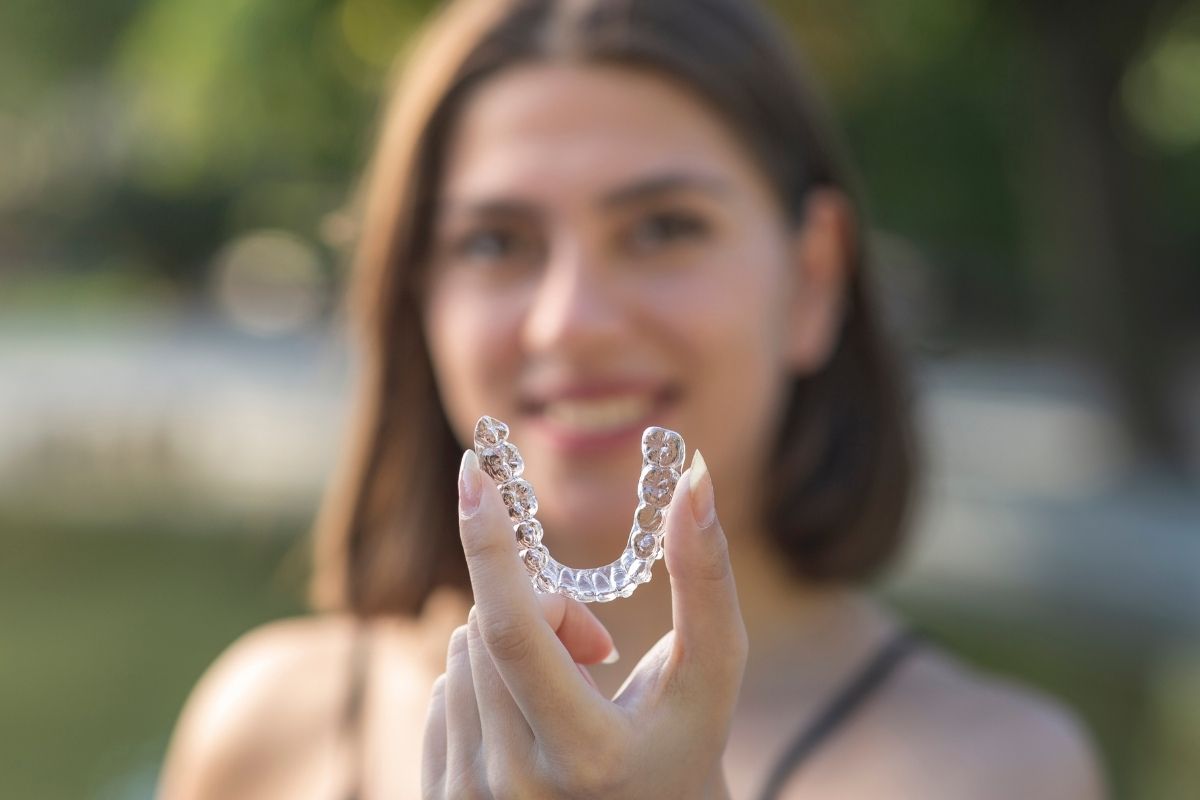
Gaps between teeth are one of the most common reasons people consider orthodontic treatment. While some spacing issues are small and mainly cosmetic, others may affect how teeth function, how food collects between teeth, or how the bite fits together over time. In some cases, gaps may even become more noticeable as teeth gradually shift with age.
Clear aligners have made it possible for many teens and adults to improve spacing concerns without the appearance of traditional braces. Invisalign treatment uses a series of custom aligners designed to gradually move teeth into better alignment while fitting more comfortably into everyday life.
Many patients in Indianapolis choose Invisalign because it offers a more discreet approach to orthodontic treatment while still addressing common spacing and bite concerns. At Biggs-Hansen Orthodontics, treatment planning focuses not only on closing gaps but also on maintaining long-term smile stability and healthy bite function. Understanding what causes gaps, how Invisalign moves teeth, and whether results can last permanently helps patients make more informed decisions before starting treatment.
What Causes Gaps Between Teeth?
Spaces between teeth, also known as diastemas, can develop for several reasons. Some people naturally have extra room in their jaw, while others experience shifting due to missing teeth, gum issues, or habits developed during childhood.
Common causes include:
- Genetics and jaw size differences
- Missing or undersized teeth
- Thumb sucking during childhood
- Tongue thrusting habits
- Gum disease and bone loss
- Teeth shifting after previous orthodontic treatment
The size and location of the gap often determine the best treatment approach.
Can Clear Aligners Really Close Gaps Permanently?
Yes, clear aligners can successfully close many types of tooth gaps when treatment is carefully planned and monitored. The trays apply gentle, controlled pressure that gradually moves teeth into better alignment.
However, “permanent” results depend heavily on maintaining the final outcome after treatment ends. Teeth naturally tend to shift over time, especially if retainers are not worn consistently. Long-term success comes from both effective orthodontic care and proper retention afterward.
For many patients, spacing correction is highly stable when underlying dental problems are addressed, and post-treatment instructions are followed carefully.
How the Treatment Works
The process begins with a detailed dental evaluation that includes digital scans, bite analysis, and customized treatment planning. Once the aligners are created, patients wear each set for about one to two weeks before switching to the next stage.
Over time, the aligners gradually move the teeth closer together. Small gaps may close within a few months, while larger spacing issues can require longer treatment periods.
Because the trays are removable, patients can continue eating their favorite foods and maintain normal brushing and flossing routines. This flexibility is one reason many adults prefer clear aligners over traditional orthodontic systems.
Are All Tooth Gaps Treatable With Aligners?
Not every spacing issue can be corrected with removable trays alone. Mild to moderate gaps often respond very well, but severe cases may require additional orthodontic techniques or restorative dental procedures.
Treatment suitability depends on factors such as:
- Gap size and location
- Jaw alignment
- Bite problems
- Gum and bone health
- Overall tooth condition
An orthodontic evaluation helps determine whether aligners can deliver predictable and lasting results.
Benefits Beyond Appearance
Closing spaces between teeth can improve more than smile aesthetics. Proper alignment may also support better oral function and hygiene.
Potential benefits include:
Easier Cleaning
Teeth that fit together properly are often easier to brush and floss, reducing plaque buildup in difficult areas.
Improved Bite Function
Balanced tooth alignment may reduce uneven pressure while chewing and help support long-term dental stability.
Reduced Food Trapping
Large spaces can collect food debris regularly. Closing gaps may improve daily comfort and oral cleanliness.
Better Smile Confidence
Many patients feel more comfortable smiling, speaking, and socializing after correcting visible spacing concerns.
What Happens After Treatment?
Retention is one of the most important parts of keeping gaps closed. After teeth move into their new positions, retainers help prevent shifting.
Without retention, teeth can gradually drift back toward their original positions over time. This is completely normal because the surrounding bone and tissues need time to stabilize.
Orthodontic providers typically recommend nighttime retainer wear long-term to maintain the final alignment results.
Factors That Affect Long-Term Stability
Several factors influence how well spacing corrections hold over time.
Consistent Retainer Use
This is the single most important factor in maintaining alignment.
Gum Health
Healthy gums and supporting bone structures provide better long-term stability.
Bite Alignment
A balanced bite reduces pressure that could otherwise reopen spaces.
Oral Habits
Tongue thrusting, nail biting, or grinding may contribute to shifting if left unmanaged.
Is This Treatment Comfortable?
Most patients experience mild pressure for a few days after switching to a new set of trays. This pressure is a sign that the teeth are moving gradually.
Compared to traditional braces, removable aligners are often considered more comfortable because they do not involve brackets or wires that may irritate the cheeks and gums.
Patients also appreciate the convenience of removing the trays during meals, brushing, flossing, and special occasions.
Who Is a Good Candidate?
Adults and teens with mild to moderate spacing concerns are often excellent candidates for clear aligner therapy. Patients who are committed to wearing the trays consistently usually achieve the best outcomes.
Because every smile is different, a professional evaluation is essential before starting treatment. Orthodontic specialists can assess spacing patterns, bite alignment, and overall oral health to create a customized plan.
Patients considering Invisalign treatment in Indianapolis can schedule a consultation with our team to learn more about their treatment options, smile goals, and what to expect throughout the process.
Why Professional Monitoring Matters
While mail-order aligner systems may appear convenient, supervised orthodontic treatment provides a higher level of safety and precision. Tooth movement affects bite function, jaw alignment, and overall oral health.
Professional monitoring helps ensure:
- Teeth move safely and predictably
- Bite problems are properly managed
- Gum health remains stable
- Adjustments are made when necessary
- Long-term results are protected
Routine follow-up visits allow orthodontists to track progress and maintain treatment accuracy from start to finish.
Achieving Long-Term Results for Gap Teeth
Gaps between teeth can often be corrected successfully with modern clear aligner treatment. With proper planning, consistent wear, and long-term retainer use, many patients achieve stable and lasting improvements in both appearance and function.
The key to successful treatment is choosing experienced orthodontic professionals who can create personalized solutions for each patient’s smile. If you are exploring options for spacing correction, visiting our orthodontic office in Indianapolis for a complete evaluation can help you determine the most effective path forward.
FAQs
1. How long does it take to close gaps between teeth?
Treatment time depends on the size of the gaps and overall alignment needs. Small spaces may close within a few months, while larger corrections can take longer.
2. Will the gaps come back after treatment?
Teeth can shift over time if retainers are not worn properly. Consistent retainer use helps maintain long-term alignment results.
3. Are clear aligners painful?
Most patients experience mild pressure rather than pain. The sensation usually fades within a few days after switching trays.
4. Can adults still fix gaps in their teeth?
Yes, adults are commonly treated for spacing issues. Healthy teeth and gums are typically the most important factors for eligibility.
5. Do aligners work better than braces for gaps?
Both options can effectively close gaps. The best choice depends on the severity of the spacing issue and overall bite alignment.